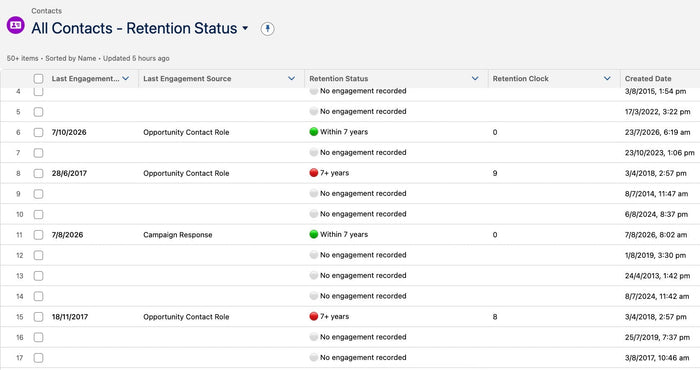
Old donor data is a risk your Board can measure and reduce
Equitable Philanthropy and EP Law have released a free Donor Data Retention Policy template for Australian charities. Blaze Your Trail’s Retention Clock helps Boards...

If you're tasked with finding a Salesforce partner for your charity, the process can seem a bit daunting. Here's a straightforward guide to help you navigate it.
Begin by visiting the Salesforce.org website. In the footer under Popular Links, you'll find an option titled Find or Become a Partner. Click on this, then select the Find an Expert button to start your search.
Salesforce will guide you through a four-step process to narrow down your partner options:
Once you've done this, click on View the Listing.
The partner listings on the Salesforce AppExchange include three main tabs:
You'll also see an overall customer satisfaction rating out of 5 stars. Under the Expertise tab, check for certifications and Partner Navigator achievements, which signal their experience and skill in nonprofit projects.
Read customer reviews carefully. Salesforce verifies these, so they’re a reliable source of feedback. A good tip is to compare the number of projects completed with the number of reviews. If the reviews seem sparse in comparison, it might indicate that some clients have not left feedback—which could be a red flag.
After checking their AppExchange profile, visit the partner's website. Look for case studies that align with the type of project you're planning. Seeing similar work is a good indicator of whether they understand the unique needs of nonprofits.
If a partner looks promising, schedule a call to discuss your project. Ask them about their expertise, certifications, and their specific experience with nonprofit organisations. It's crucial to confirm that they are a registered Salesforce partner and that their team members are Nonprofit Cloud Consultant Certified.
Once you've spoken to a few potential partners, make a shortlist. Conduct reference checks as you would when hiring an employee—ask about their past work, reliability, and customer service.
If you're still unsure, consider engaging the partner for a smaller project first, like a health check of your current system. This way, you can assess the quality of their work before committing to a larger project.
If navigating the request for proposal (RFP) process feels overwhelming, there are specialists like Benefolk can assist you throughout the entire process.
Have more questions? Feel free to reach out! We're here to help.
Equitable Philanthropy and EP Law have released a free Donor Data Retention Policy template for Australian charities. Blaze Your Trail’s Retention Clock helps Boards...
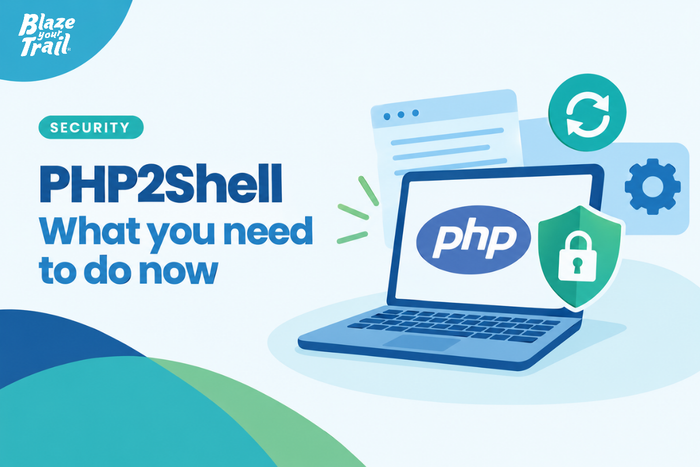
Two critical PHP security flaws, known as PHP2Shell, could affect any website built on WordPress. Here are four simple steps to check your server’s...
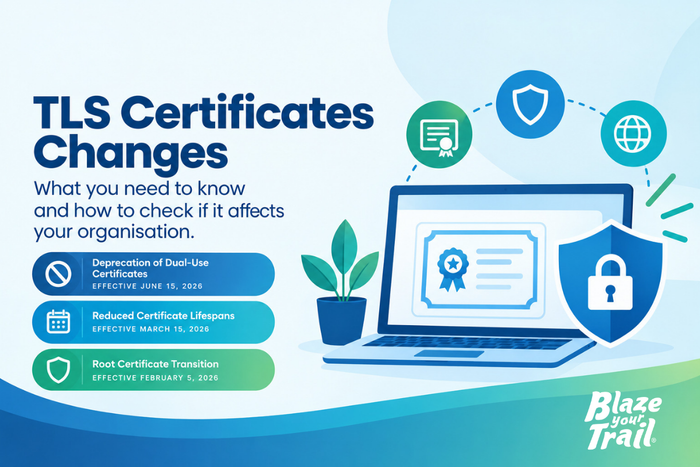
TLS Certificate changes: Deprecation of Dual-Use Certificates effective June 15, 2026, Reduced Certificate Lifespans effective March 15, 2026, and Root Certificate Transition effective February...